Fresy
HomeSolutionsNetworkTechnologyFresh standardsStoriesCompany
EN/中文
Log inGet started
HomeSolutionsNetworkTechnologyFresh standardsStoriesCompany
EN/中文
Log inGet started
Fresy

Freshyes LLC

Temperature-controlled transport and live exception management for perishable supply chains.

Explore

Transport solutionsService networkControl towerFresh standards

Company

Field storiesAbout FreshyesContactCreate account

Reach us

Cross-region planning, local handoffs

support@fresylog.com

© 2026 Freshyes LLC. All rights reserved.

Terms of ServicePrivacy PolicyAcceptable Use
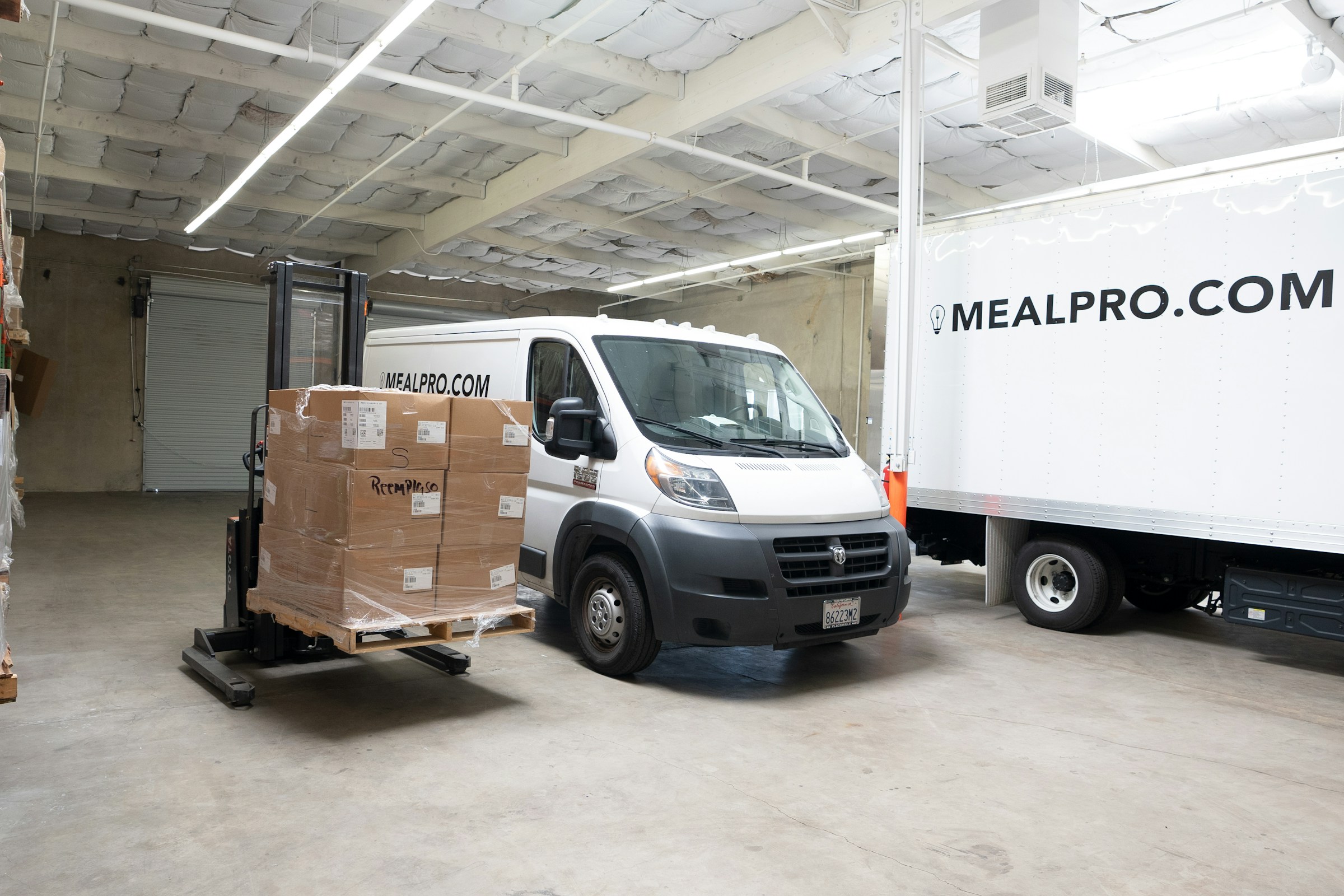
Delivery vehicles and palletized cargo inside a logistics warehouse

Cold-chain network design

Freshness has a route.

Fresy shapes every fresh-food lane around origin readiness, temperature-aware handoffs and a clear receiving plan, so the physical journey and its operating decisions move together.

Plan a corridorExplore the network
Network logicLane-specific planning
ConditionTemperature-aware handoffs
ResponseException-ready routing

Interactive network model

One corridor, four accountable handoffs.

A fresh-food network is more than a line on a map. Select each operating node to see the decisions that keep product identity, condition and custody connected from source to receiving door.

Illustrative corridor architecture
Select a node to inspect
Lane model / origin to destination

Origin readiness

Conditions begin at source

The corridor starts with the product calendar, release window and handling profile, before a vehicle is assigned.

  • Align harvest or release timing with collection
  • Confirm packaging, pre-cooling and handling needs
  • Create the shipment identity used downstream

Operating regions

Coverage is designed around the product, not drawn as a blanket.

Fresy evaluates the route as connected operating regions. Each layer has a distinct purpose, risk profile and handoff requirement that can be configured for the lane.

Origin layer

Supply region

Production belts

Collection plans connect farms, packhouses or suppliers to the corridor according to product readiness and release timing.
Transfer layer

Gateway region

Ports and transfer points

Where modes or carriers change, the operating plan defines custody, condition review and the onward release decision.

Demand layer

Metro region

Cold rooms and hubs

Staging points support sorting, consolidation and destination sequencing without separating the load from its history.

Receiving layer

Delivery region

Stores, kitchens and facilities

The final operating region is structured around access, receiving windows and the evidence needed to accept the product.
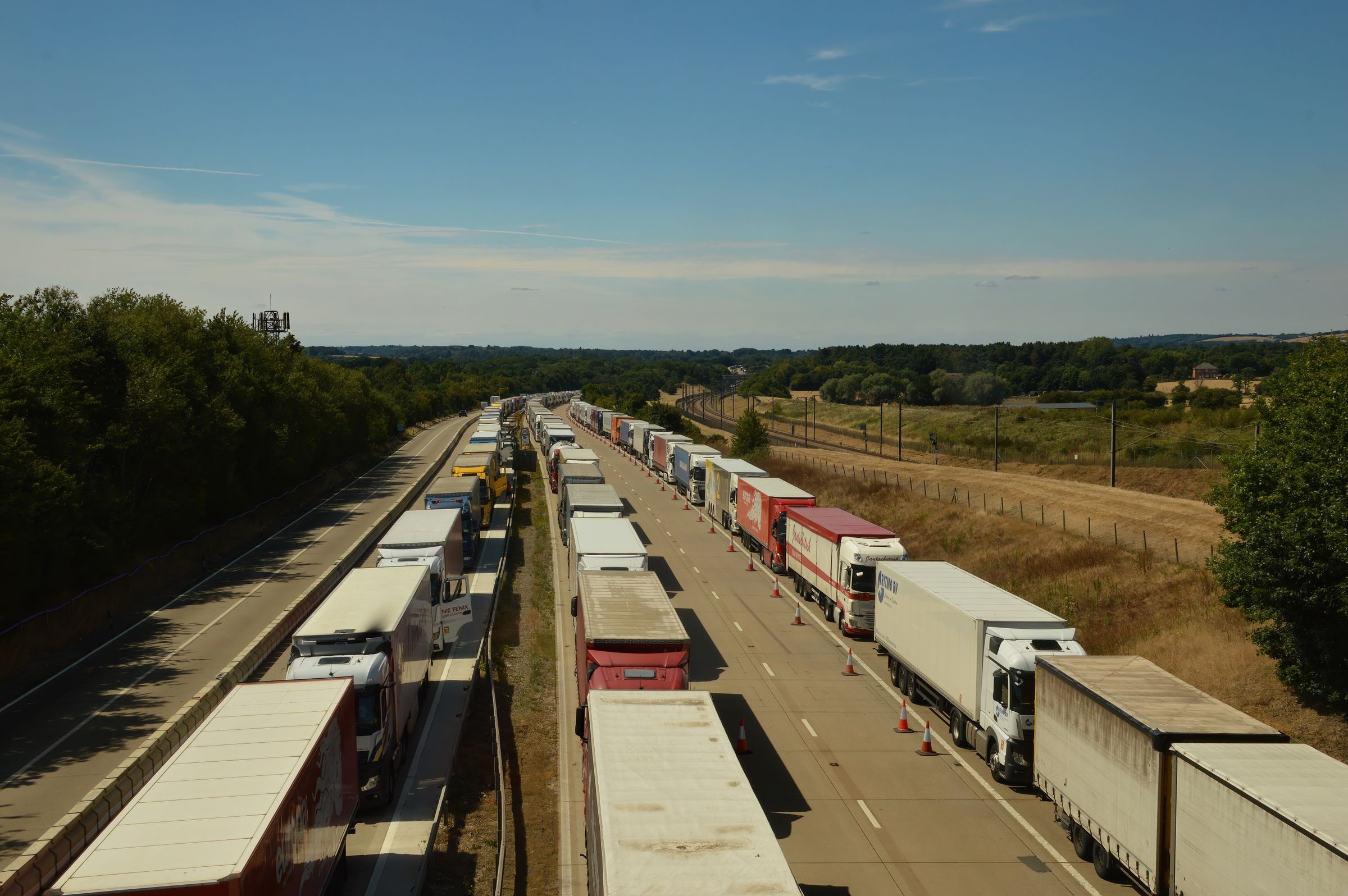
Freight trucks queued along a regional highway corridor
Fresh produce staged inside a refrigerated vehicle

Corridor design

Build the route before the first crate moves.

Fresy turns commercial requirements into a practical lane plan: who acts, what must be checked and how the shipment continues when a checkpoint changes.

  1. Route brief

    Define the product envelope

    Capture origin, destination, handling profile, receiving constraints and the evidence required at delivery.
  2. Origin release

    Prepare collection

    Align product readiness, vehicle readiness, packaging and the first custody record before departure.
  3. In-transit control

    Coordinate every relay

    Give each transfer point the context to accept, hold, escalate or release the shipment onward.
  4. Destination closeout

    Complete the handoff

    Deliver the load with its identity and condition context, then record acceptance or the next action.

Network resilience

A detour is part of the design.

Fresh products leave little room for improvised decisions. The corridor defines how common operating signals are assessed, who is involved and what continuity means before an exception occurs.

Operating signalCoordinated responseContinuity objective

Condition signal

Temperature deviation

Validate the sensor context, isolate the affected handling window and direct the load to an agreed review point.

Preserve traceability while the condition decision is documented.

Schedule signal

Transfer delay

Reconcile the remaining product window with carrier, gateway and destination readiness before changing the movement.

Keep the receiving plan aligned with the revised handoff.

Supply signal

Capacity change

Review an approved alternate handoff or staged movement against the same product and custody requirements.

Change the route without discarding the operating standard.

Data signal

Incomplete handoff record

Pause custody acceptance, identify the missing evidence and assign the resolution to the responsible party.

Avoid moving uncertainty to the next node in the corridor.

Shared handoff protocol

Every party works from the same checkpoint.

A corridor becomes dependable when origin teams, carriers, transfer points and receivers share a concise operating language.

Exact controls, thresholds and responsibilities are configured for the product, lane and participating operators.

Shipment identity

Know what is moving

Keep product, lot, route and destination context connected across every custody change.

Condition context

Know how it travelled

Carry the agreed handling profile and relevant observations into the next release decision.

Custody record

Know who acts next

Make acceptance, exceptions and ownership visible before the shipment leaves a checkpoint.

Plan a lane

Bring us the route that freshness depends on.

Start with one product flow. Fresy will help structure the origin, handoffs, condition needs and receiving constraints into a corridor brief.

Start a corridor conversation

Useful for the first corridor review

Origin and release windowWhere the product begins and when it is ready.
Product and handling profileWhat is moving and how it needs to be handled.
Condition requirementsTemperature or other controls relevant to the lane.
Destination and receiving constraintsWhere the journey closes and how acceptance works.