Fresy
HomeSolutionsNetworkTechnologyFresh standardsStoriesCompany
EN/中文
Log inGet started
HomeSolutionsNetworkTechnologyFresh standardsStoriesCompany
EN/中文
Log inGet started
Fresy

Freshyes LLC

Temperature-controlled transport and live exception management for perishable supply chains.

Explore

Transport solutionsService networkControl towerFresh standards

Company

Field storiesAbout FreshyesContactCreate account

Reach us

Cross-region planning, local handoffs

support@fresylog.com

© 2026 Freshyes LLC. All rights reserved.

Terms of ServicePrivacy PolicyAcceptable Use
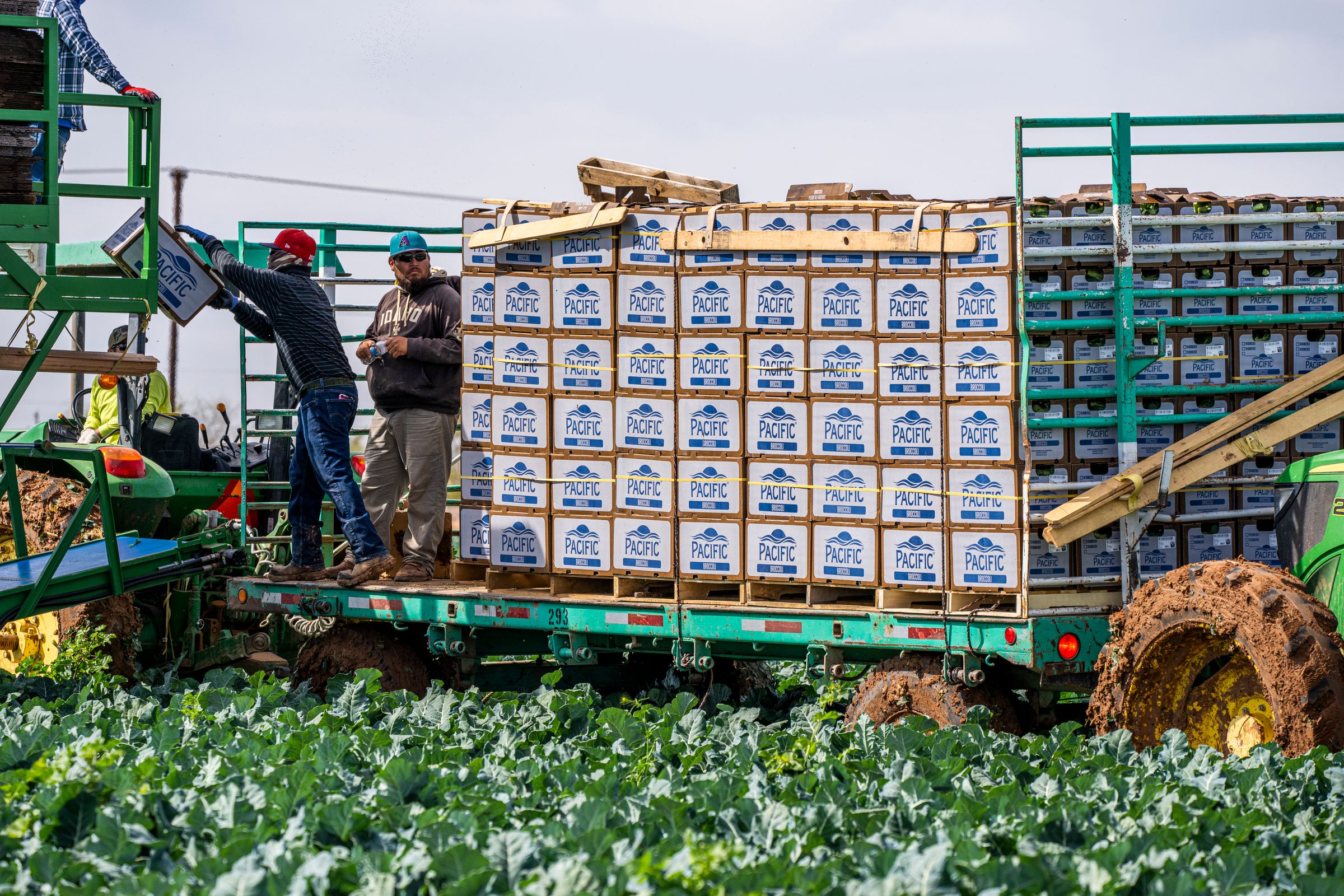
Farm workers loading boxed broccoli onto a field vehicle

Fresh transport solutions

A route plan built around the product.

Fresy coordinates the handling decisions between origin, linehaul and receiving, so fresh cargo moves as one connected operation instead of a series of disconnected bookings.

Plan a shipmentSee our freshness standard

One operating plan, end to end

  1. 1Origin readiness
  2. 2Pre-cool and staging
  3. 3Protected linehaul
  4. 4Receiving and city delivery

Plan by cargo

Different cargo, different handling logic.

Choose a cargo profile to see how the operating plan changes. Final instructions are always agreed from the shipper's product specification and the receiving requirements.

Cargo profile

Leafy produce

A coordinated path for tender leaves and herbs where airflow, moisture and dwell time must be considered together.

What needs attention
Field heat, compression and unmanaged waiting can undermine condition before the main journey begins.
How the plan responds
Confirm origin readiness, align ventilation and package loading, then sequence staging with the planned departure.
Receiving focus
Check package condition, product identity and receiving readiness before release.
Configured around the shipment specificationDiscuss this cargo

Choose the service shape

Use the level of coordination the lane actually needs.

Fresy can support a defined transport leg or coordinate the operating decisions across the route. Scope is agreed before movement begins.

Planned linehaul

Best suited to

Shippers with prepared origin and receiving operations who need a clearly defined movement between them.

Operating scope

Vehicle planning, pickup alignment, transit coordination and delivery handoff.

Coordination focus

Keep the transport leg aligned with the shipment brief and named contacts.

Managed fresh chain

Best suited to

Cargo that requires origin preparation, transfer controls and receiving instructions to operate as one plan.

Operating scope

Readiness review, pre-cool coordination, packaging checks, linehaul and receiving workflow.

Coordination focus

Carry product requirements and exception decisions across every responsible party.

City fulfillment

Best suited to

Inbound fresh loads that must be sorted into scheduled local deliveries after arrival.

Operating scope

Inbound handoff, order staging, route preparation and proof of final receipt.

Coordination focus

Reduce idle handoffs and keep the last movement connected to the inbound record.

Connected execution

From release decision to receiving proof.

The plan names what must be true before each handoff. Teams can act from the same brief, while exceptions have an owner and a next decision.

Confirm the shipment brief

Capture the cargo identity, handling specification, package format, route constraints and receiving contacts before transport is assigned.

Product requirementsReceiving criteria

Align pre-cool and staging

Confirm that origin preparation follows the agreed product instructions and that staging does not introduce an avoidable break before loading.

Origin readinessLoading sequence

Coordinate the protected journey

Match the transport plan to the cargo brief, maintain custody context and route any condition concern to the responsible contact.

Lane coordinationException ownership

Complete the receiving handoff

Present the shipment record, confirm the receiving party and close the movement with condition notes and proof of receipt.

Condition reviewReceipt record

Packaging in the operating plan

The pack should support the route, not fight it.

Fresy reviews how the chosen package interacts with loading, airflow and handling. Packaging remains shipper-approved; our role is to make its operational needs visible.

Keep airflow paths intentional

Load orientation and stacking should respect the ventilation built into the selected package and vehicle plan.

Plan for moisture behavior

Handling instructions should account for the product, liner and package response instead of assuming one treatment fits every load.

Make handling cues obvious

Orientation, stacking and identity labels help each transfer team preserve the decisions made at origin.

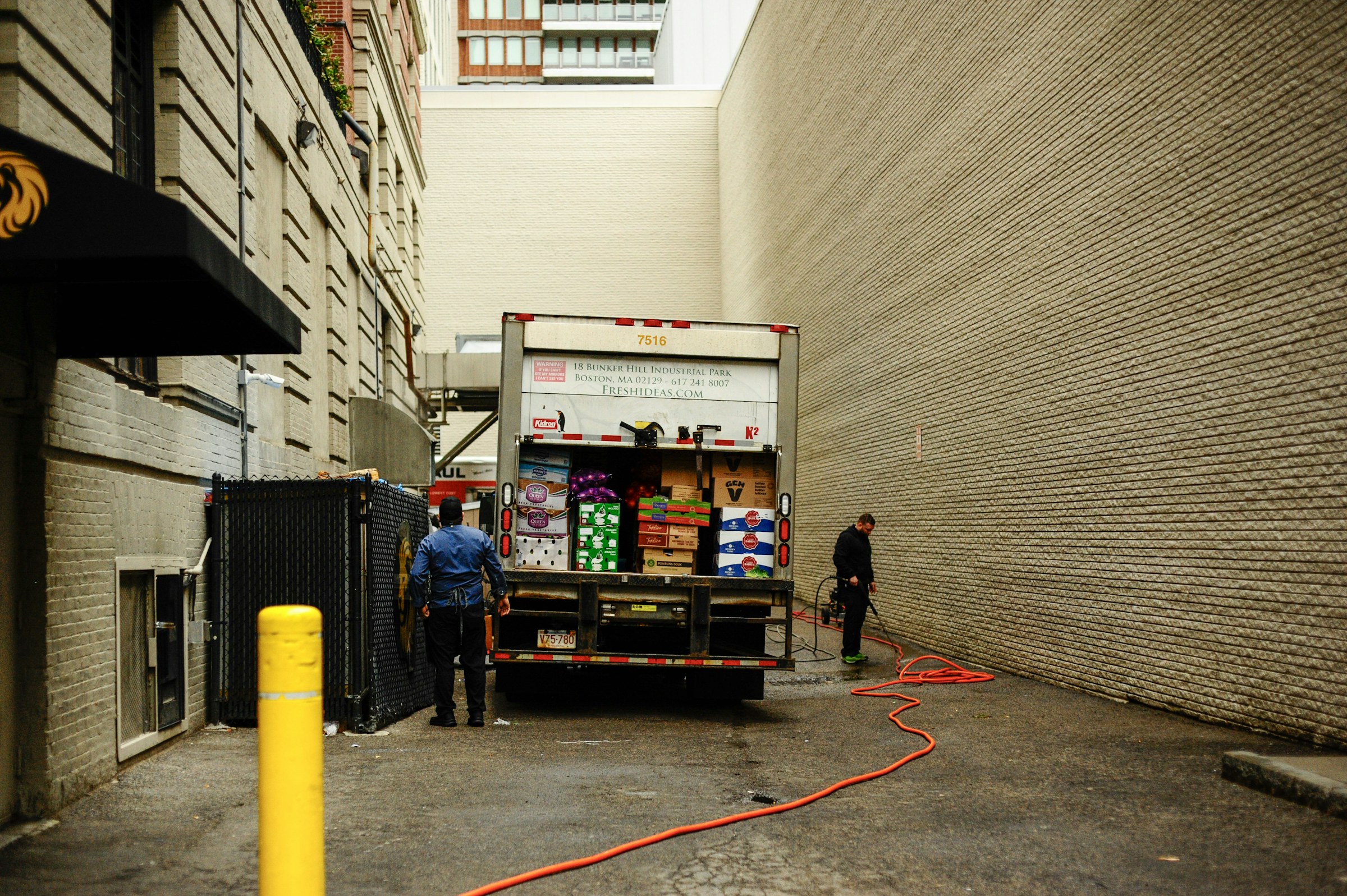
Workers unloading boxed produce from a truck in an urban service lane

City fulfillment

The final handoff stays connected to the inbound load.

Fresy coordinates receiving, staging and local route preparation as one continuation of the fresh chain, with clear ownership when an order cannot proceed as planned.

Receiving-ready nodes

Inbound identity and handling context arrive with the load, so the receiving team knows what to check and where it goes next.

Order-aware route preparation

Local movements are staged around order needs, product compatibility and the receiving sequence.

A clear final receipt

The last transfer records the receiving party, delivery outcome and any condition note that needs follow-up.

Planning questions

What teams ask before the first load.

A useful plan starts with the product and the lane. These answers explain how Fresy approaches scope and operating responsibility.

How do we know which service model fits our shipment?

We review the cargo brief, origin preparation, route, transfer points and receiving operation. From there, we define whether the need is a transport leg, a managed chain or city fulfillment support.

Does Fresy supply or approve packaging?

Packaging selection and product approval remain with the shipper and relevant product specialists. Fresy incorporates the approved pack's airflow, orientation and handling needs into the transport plan.

What happens when the route does not go to plan?

The operating brief identifies contacts and decision ownership. A concern is recorded with its context, routed to the responsible party and held for an explicit next action when needed.

Can Fresy support only one part of our route?

Yes. Scope can be defined around a specific movement or handoff, provided responsibilities and the information exchanged at each boundary are clear before execution.
Build the route brief

Tell us what is moving and what it needs on arrival.

Share the cargo, origin, destination and receiving constraints. Fresy will help frame the operating questions for a workable fresh transport plan.

Start a conversationCreate an account